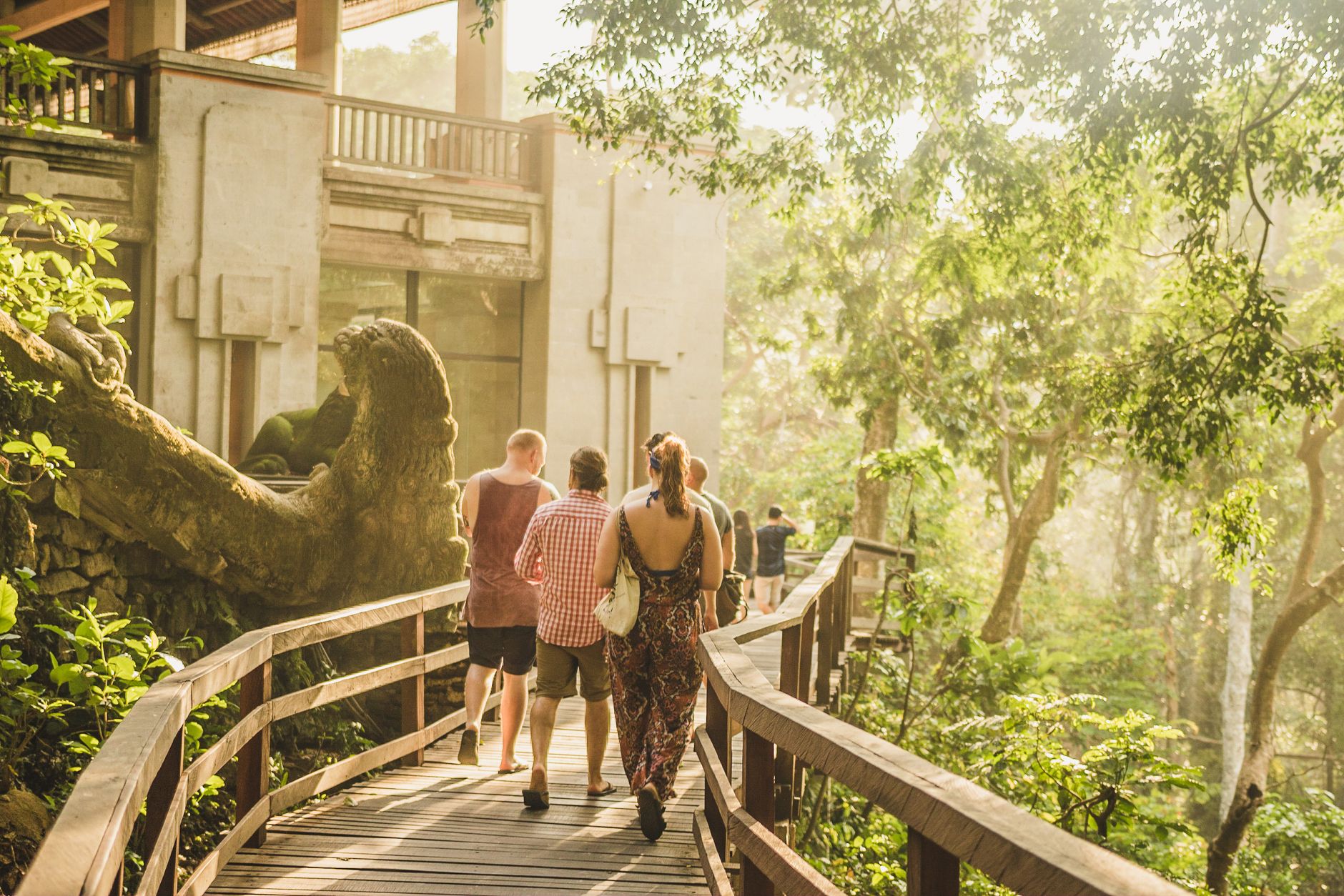
Standing at the edge of the Grand Canyon, I felt something I still can’t fully put into words. That moment is what I’d point to if someone asked me to define travel: not the flight, not the hotel, but the way the ground drops away and your sense of scale just collapses. Travel reshapes you. Sometimes quietly, sometimes all at once.
What Does It Mean to Travel?
To define travel is to admit it’s slippery. At its core, it’s leaving your usual environment to experience something genuinely outside your routine, whether that’s a culture, a landscape, or just a different way people go about their mornings. Most people frame it as vacations, but a work trip to a city you’ve never visited counts too, and so does a long weekend three hours from home that somehow resets your whole outlook. What ties these together isn’t the distance. It’s the shift in perception that follows.
Sipping coffee in a noisy Parisian café and hiking a silent national park trail feel nothing alike, but both do the same work on you. They push against assumptions you didn’t know you were carrying. That’s the part worth paying attention to.
Historical Perspectives on Travel
People have always moved, first out of necessity, then out of curiosity. Ancient travel along the Silk Road wasn’t just commerce; it was one of history’s most sustained cultural exchanges, with ideas, religions, and recipes moving alongside the goods. The industrial age changed the scale of everything. Railroads and steamships turned week-long journeys into day trips, and suddenly travel wasn’t only for merchants or the wealthy.
Air travel in the 20th century compressed distance further still, making international trips routine rather than remarkable. What I find genuinely interesting is how quickly that shift happened. Within two generations, crossing an ocean went from a major life event to something people complain about on their phones at the gate.
Different Types of Travel Experiences
When we define travel, the categories matter because they shape what you actually plan for. Here are the main ones worth knowing:
- Leisure Travel: Vacations taken for rest or enjoyment, beach trips, city breaks, cultural excursions.
- Adventure Travel: Hiking, diving, biking through difficult terrain. Discomfort is usually part of the point.
- Cultural Travel: Museums, historic sites, local festivals. Slower-paced, heavier on context.
- Business Travel: Meetings, conferences, corporate retreats. Often underestimated as a source of real experience.
- Sustainable Travel: Eco-tourism, voluntourism, and choices that try to leave a place better than you found it.
Each one asks something different from you as a traveler, which is part of why people can define travel so differently and both be right.
Economic Impact of the Travel Industry
Travel is serious money. In 2019, the industry generated roughly $9 trillion globally and supported around 330 million jobs, from hotel housekeeping staff to wilderness guides. International arrivals that year hit about 1.5 billion, which still impresses me when I think about the logistics involved. For plenty of smaller countries, tourism isn’t a nice-to-have; it’s the primary economic engine keeping things running.
The pandemic years exposed just how fragile that dependence can be, and honestly, I’m not sure the industry has fully reckoned with that yet. Recovery has been real, but uneven.
Trends in Sustainable Travel
More travelers are asking what their trip actually costs the place they’re visiting. Carbon offset programs, green-certified accommodation, and spending money with locally owned businesses rather than international chains have all moved from niche choices to something closer to mainstream. That shift is partly values-driven and partly practical: from what I’ve seen, destinations that get overrun tend to get worse, and travelers are starting to notice.
Sustainable travel isn’t a perfect solution (flying anywhere burns fuel, full stop), but the direction of thinking has changed. People are at least asking the question more often than they used to.
Where Travel Is Headed
Technology keeps changing what’s possible. Virtual reality now offers genuinely immersive previews of destinations, useful for people with mobility limits or tight budgets, though I’d argue it’s a supplement rather than a replacement for the real thing. Personalization is the other big shift: travelers increasingly want itineraries built around specific interests rather than generic highlights, and the industry is catching up to that demand.
Health and safety considerations that felt new in 2020 have mostly been absorbed into normal trip planning now. What stays, I think, is a slightly more intentional approach to how and why people travel. That part seems worth keeping.
FAQs
What is the definition of travel?
Movement from one place to another for leisure, work, or learning, usually with some effect on how you see things when you return.
How has travel evolved over time?
It shifted from trade and conquest to mass tourism, driven by railroads, steamships, and eventually air travel making long distances routine.
What are the benefits of traveling?
Broader perspective, exposure to different cultures, and a reliable way to break patterns of thinking you didn’t know had gone stale.