Haiti’s Mobile-First Tech Landscape
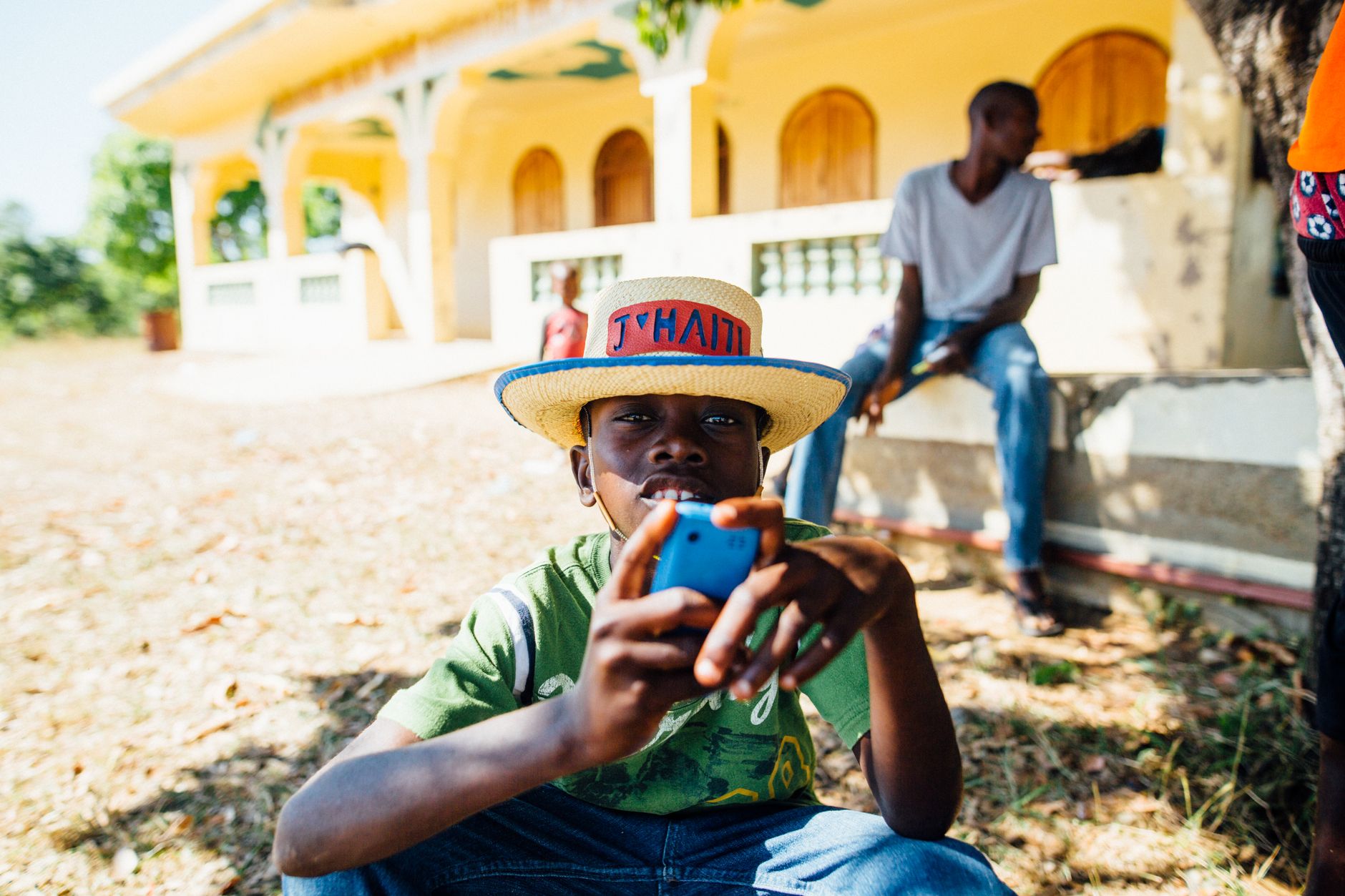
Haiti’s tech sector is growing in ways that genuinely surprised me when I first started looking into it. Mobile penetration hit 67% in 2023, which sounds almost impossible given how little reliable internet access most people have. And yet, entrepreneurs are building real businesses on mobile-first foundations, funded in large part by the Haitian diaspora. It’s a quietly active scene.
The 2010 earthquake wiped out roughly 60% of government infrastructure, communication systems included. That collapse, as brutal as it was, cleared the way for mobile technology to fill gaps that traditional systems never got the chance to reclaim. So the tech landscape in Haiti didn’t evolve the way it did elsewhere. It was basically rebuilt from scratch around mobile.
Digicel holds around 70% of the telecom market and provides the backbone most tech initiatives run on. But only 19% of Haitians had internet access as of 2022, according to ITU data. That gap between mobile usage and actual connectivity is the central tension in technology haiti faces right now, and anyone building here has to design around it rather than pretend it doesn’t exist.
MonCash, the mobile money platform, has crossed 2.5 million registered users, which tells you a lot about how hungry people are for accessible financial tools. Traditional banking infrastructure is thin, so people route around it. Silicon Haiti, launched in 2015, has been training local developers and trying to build a startup ecosystem that matches the actual conditions on the ground, not some imported model that assumes stable power and broadband.
Diaspora Money and Local Startups
Remittances totaled $3.8 billion in 2022, about 26% of GDP. That’s not just family support money. For a lot of founders, it’s seed funding, it’s the first client relationship, it’s someone in Miami or Montreal who believes in the idea enough to wire cash. A client of ours who works in agricultural tech told me his first six months were entirely diaspora-financed before he found any institutional backing.
That capital also carries a cultural weight that matters. Diaspora investors tend to understand the local constraints better than outside funds do, and they’re more willing to back solutions built specifically for Haitian users. Mobile apps targeting agriculture, healthcare access, and remote education are coming out of this dynamic. Not polished Silicon Valley products, but tools that actually fit the problem.
Where I’d pump the brakes, though, is on treating remittances as a permanent foundation. Global conditions shift, and a funding base that’s 26% of GDP concentrated in one channel is fragile. Diversifying into regional partnerships and grant funding seems like the obvious next step, though I’ll admit I’m not sure how quickly that can realistically happen.
Obstacles, Outages and What Comes Next
Power cuts are the daily reality for technology haiti startups. Entrepreneurs work around them with generators, solar setups, and mobile data, but it adds real cost and friction. Equipment shortages compound the problem. When I talked to developers based in Port-au-Prince, the recurring theme wasn’t funding or market size. It was just keeping the lights on long enough to ship something.
Limited internet access makes scaling genuinely hard. A product that works beautifully over mobile data hits a ceiling when most of your potential users are on 2G or patchy connections. But the Haitian tech community has shown a consistent ability to adapt around broken infrastructure rather than waiting for it to get fixed (which, given the pace of things, could be a long wait).
Partnerships with international organizations focused on infrastructure could change the equation. If connectivity improves even modestly, the startups already operating here would have room to reach broader markets fast. The diaspora is investing more actively than it was five years ago, and that momentum is real. The path forward is narrow, but it’s there.
Where Things Actually Stand
Technology haiti is building on a fragile foundation, but it’s building. Mobile penetration, diaspora capital, and a generation of developers trained through programs like Silicon Haiti have created something worth watching. It’s not a tech boom in the conventional sense. Cheap, too, compared to other emerging markets. But the resourcefulness here is genuine, not just a talking point.
The honest summary is that the sector’s survival depends on things outside its control, mainly infrastructure and political stability. What’s inside its control is the quality of the solutions being built, and on that front the trend is moving in the right direction.
FAQs
What technology is most used in Haiti?
Mobile technology leads, with 67% penetration in 2023. Platforms like MonCash are widely used for financial transactions where banking access is limited.
How does the diaspora support tech in Haiti?
Through remittances totaling $3.8 billion in 2022, diaspora members often act as early funders and mentors for local startups and technology projects.
Is there internet access in Haiti?
Only 19% of the population had internet access as of 2022, a significant gap despite relatively high mobile phone usage across the country.