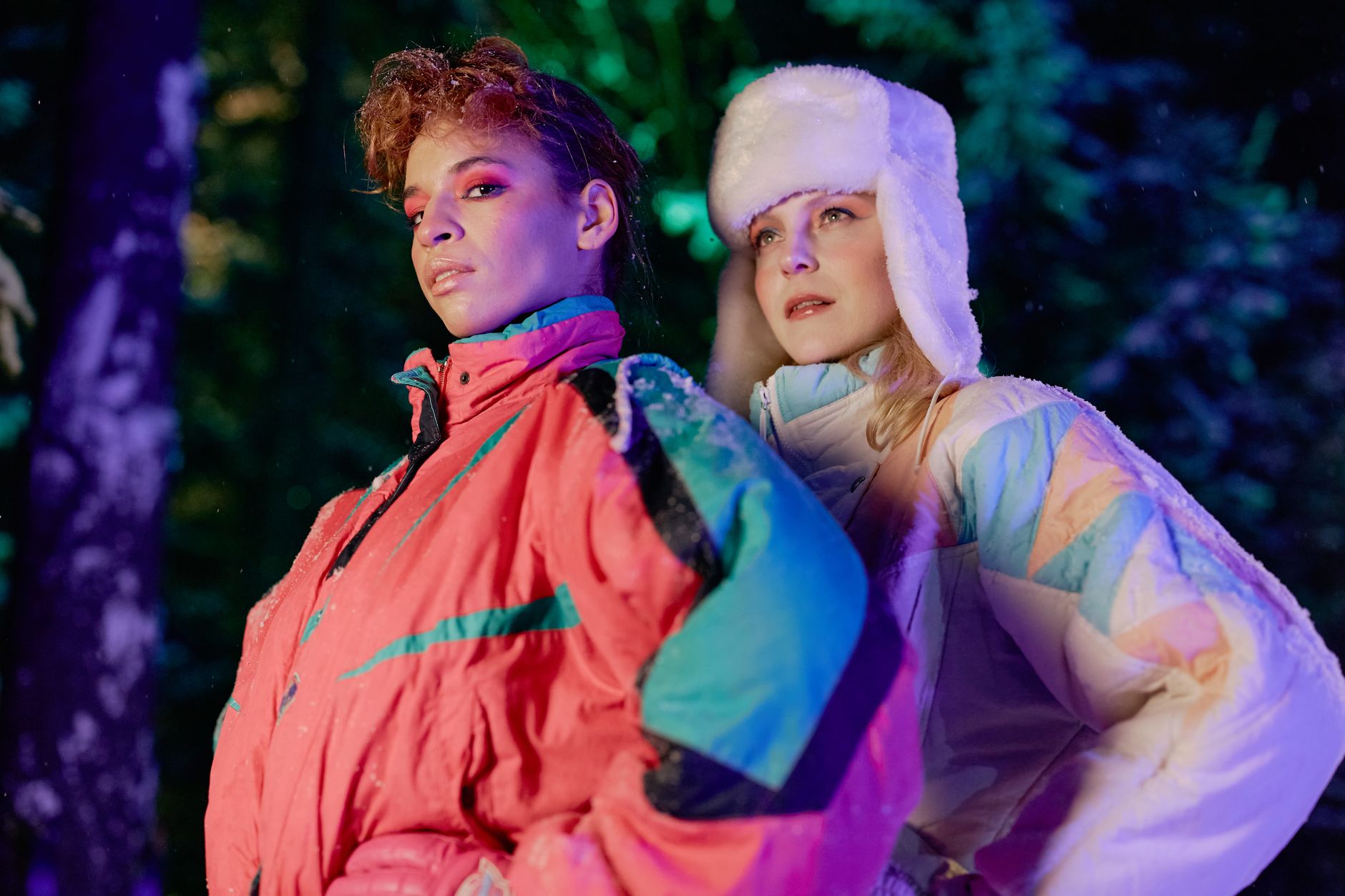
Many folks think the biggest misconception about 2010s fashion trends is that they were shallow or derivative. People often say that the decade lacked its own identity and simply borrowed from the 70s and 80s, but that’s not exactly true. Sure, you had flared jeans reminiscent of 1975 and power shoulders borrowed from 1984. But the 2010s took those references and mixed them with Instagram, fast fashion, and a new celebrity culture, creating something unique and fresh. It’s messy, sure, but it feels real, and oddly, it’s making a comeback now.
What blows my mind is how quickly the nostalgia cycle turned. Trends that seemed embarrassing just a few years back, like cold-shoulder tops or normcore sneakers, are popping up on current mood boards and even in secondhand shops, sometimes at higher prices. I recently saw a pair of Stan Smiths listed for more than they originally sold for in vintage stores. If that doesn’t say something about our taste, I don’t know what does.
Top 2010s Fashion Trends
The decade was rich with trends, so I’ve narrowed down ten looks that really defined it, based on how much they’re coming back now.
- High-waisted skinny jeans (making a strong comeback, especially in raw denim)
- Athleisure and leggings as pants (never really left us)
- Normcore: plain tees, dad sneakers, minimal effort style
- Cold-shoulder and off-shoulder tops
- Oversized flannel and lumberjack shirts
- Chokers, especially those thin black plastic varieties
- Bodycon dresses, popularized by club culture
- Distressed denim in every conceivable cut
- Printed leggings (geometric, floral, you name it)
- Bomber jackets made of satin or nylon
The influence from the 70s appeared in wide-leg silhouettes and earthy tones: burnt orange, avocado green, harvest gold. Meanwhile, the 80s brought neon accents and structured shoulders. While neither was a straight replica, both styles softened in line with the decade’s move toward comfort, which is why athleisure really took off.
Social Media’s Impact
Honestly, it’s tough to overstate how much Instagram, and later Pinterest, shaped consumer behavior. Before about 2012, trends would typically travel from the runway to magazine to the high street over 18 months. Social media crunched that cycle down to weeks—sometimes just days. A celebrity would wear something on a Tuesday, and boom, fast fashion brands would have similar styles available by Friday.
This speed flipped the script on how influence and consumption interacted in ways we hadn’t seen before. Brands like ASOS and Boohoo crafted entire business models around this rapid response. They weren’t just selling clothes; they were selling outfits people just caught sight of on their devices. This tight feedback loop prioritized volume over lasting quality.
Celebrity Style Icons
Some celebrities shaped the decade’s vibe way more than any trend report could, starting with Rihanna. She mixed high fashion with streetwear in game-changing ways. Then you’ve got Kendall and Kylie Jenner, who turned off-duty model dressing into a whole style. And Harry Styles, especially post-2017, pushed menswear into floral prints and wide-leg trousers before the broader market even had a clue.
Beyoncé’s influence was more structural—her 2016 visual album shifted the conversation around unapologetic Black aesthetics in mainstream fashion, prompting brands to scramble. On a more relatable note, figures like Zoella and other early YouTubers made high-street hauls accessible to millions who resonated more with Topshop than Chanel. That constant tension between aspirational and accessible drove a ton of buying decisions throughout the decade.
Fast Fashion Pricing
During the 2010s, the average fast fashion item ran you between £5 and £25 in the UK, or roughly $8 to $35 in the US, depending on where you shopped. You could find a dress from Boohoo for about £12, while a similar piece from ASOS might cost you around £28. These prices made chasing trends feel low-pressure, and that was the whole idea.
But the real cost often lay elsewhere. Garment workers in places like Bangladesh and Cambodia churned out those £12 dresses under conditions that captured public concern post the Rana Plaza collapse in 2013. That tragic event killed over 1,100 people and served as a grim reminder that cheap fashion often comes with a steep price tag, one that someone pays. While this disaster didn’t halt fast fashion’s rise, it definitely sparked an ongoing conversation.
Focus on Sustainability
The 2010s marked a shift in how sustainability in fashion moved from niche to mainstream, even if people’s actual shopping habits didn’t always reflect that. Brands like Everlane and Patagonia built their identities around transparency. Charity shops and clothes swaps gained more followers. Yet, most people still gravitated toward the same fast fashion retailers while discussing sustainability in vague terms.
The reality was that awareness outpaced action. Claims about recycled polyester and those vague “conscious collections” from big retailers did more for marketing than for actual environmental progress. This disconnect is why Gen Z, who saw all of this play out, tends to approach brand ethics with more skepticism than millennials.
Nostalgia in Modern Fashion
The 2010s fashion trends resurfacing now aren’t making a comeback unchanged. For instance, skinny jeans have returned, but they’re sitting a bit lower on the hip now. Chokers are back, but they’re often in gold chain styles instead of plastic. Bombers are all the rage again, but in thicker materials. You see, the 2010s aesthetic is being filtered through contemporary ideas about fit and proportion—typical for fashion nostalgia.
I’d keep an eye on how secondhand markets are pricing these items. Platforms like Depop and Vinted have 2010s pieces listed higher than their original retail price in some cases, indicating genuine demand rather than just ironic choices. Whether this trend lasts remains to be seen. In my experience, these revivals usually peak and fade within two to three years after grabbing mainstream attention.
FAQs
What were the most popular fashion trends in the 2010s?
High-waisted skinny jeans, athleisure, chokers, bomber jackets, and normcore stood out as some of the biggest trends, complemented by distressed denim and cold-shoulder tops.
How did social media impact fashion trends?
Instagram and Pinterest sped up the trend cycle, compressing it from 18 months to just days, allowing fast fashion brands to mirror celebrity styles almost instantly.
Which celebrities defined 2010s fashion?
Rihanna, Beyoncé, the Jenner sisters, and Harry Styles were prominent figures, each crafting their unique aesthetic that mainstream fashion quickly adopted.